

Welcome to
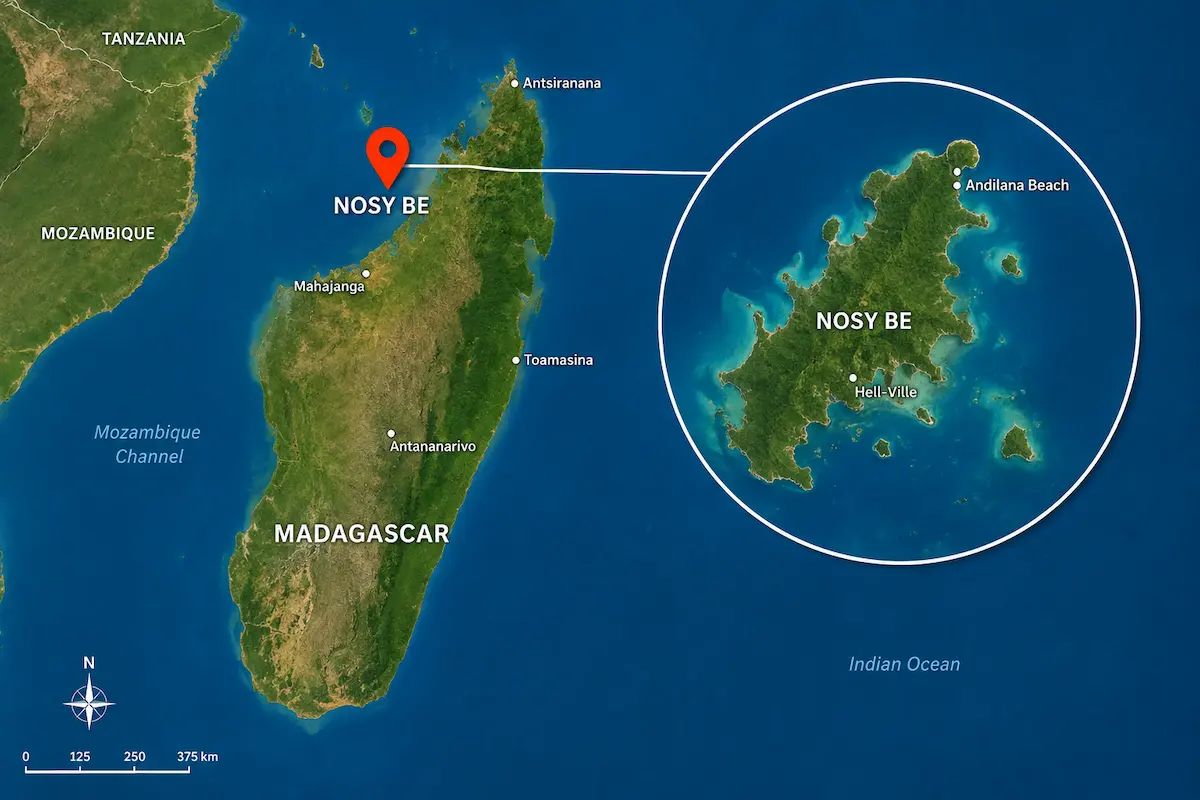
Nosy Be, Madagascar
Nosy Be, known as the "Perfume Island," is Madagascar's premier beach destination and the gateway to an archipelago of idyllic islands scattered across the warm waters of the Mozambique Channel. With its year-round tropical climate, fragrant ylang-ylang plantations, and palm-fringed shores, this island paradise offers a completely different side of Madagascar from the mainland's rugged wilderness.
What makes Nosy Be truly special is not just one island but an entire constellation of destinations, each with its own personality. The lemur-filled forests of Nosy Komba, the underwater wonderland of Nosy Tanikely, the ancient rainforest of Lokobe, the iconic sandbar of Nosy Iranja, the sea turtle haven of Nosy Sakatia — every site tells a different story. Join us as we explore each one, one by one.
Lokobe National Park: The Last Primary Forest
Tucked away on the southeastern corner of Nosy Be, Lokobe is the island's last remaining stretch of primary rainforest — a living time capsule of what this entire region looked like before human settlement. Walking beneath its towering canopy, the air is thick with humidity and the calls of endemic birds you will not hear anywhere else on Earth.
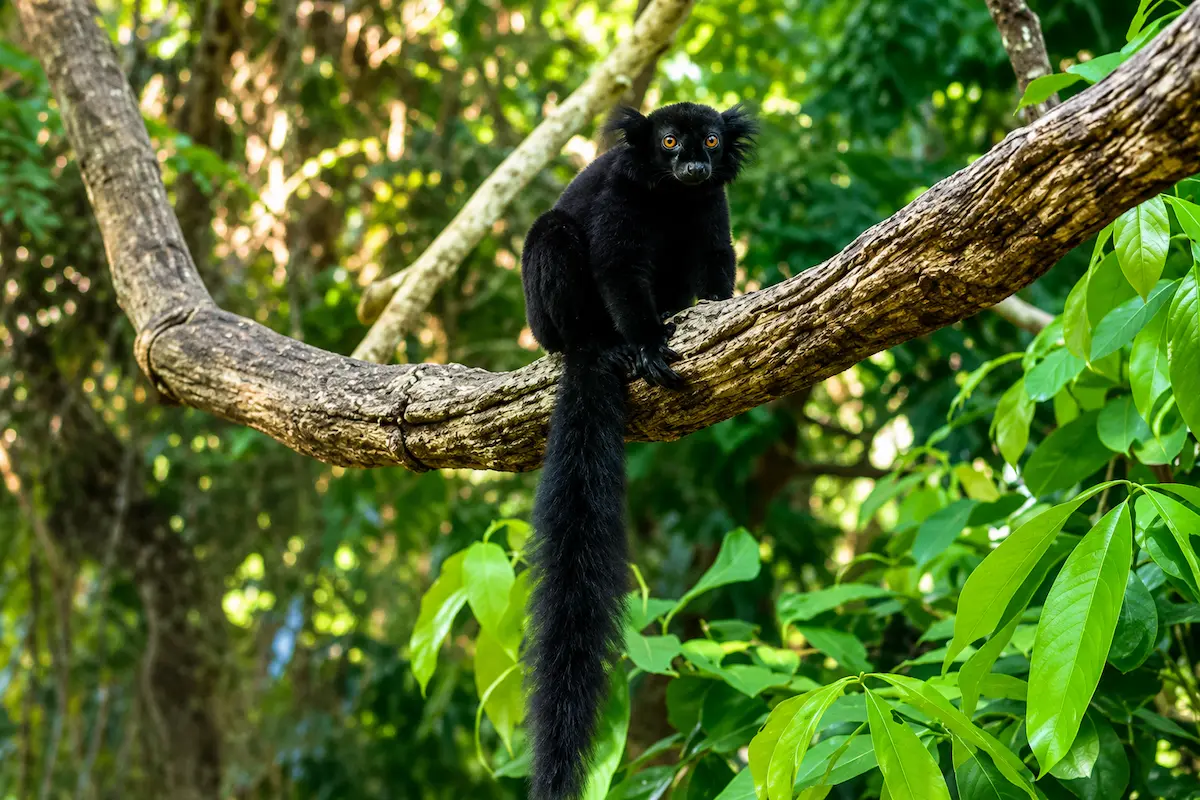
Lokobe is home to three species of lemurs including the endangered Nosy Be mouse lemur, the rare black lemur, and the Nosy Be sportive lemur. Your guide will spot camouflaged chameleons, colorful frogs, and bizarre insects that most visitors would walk right past. For a truly magical experience, take a night walk to see the forest come alive with nocturnal creatures under the glow of a headlamp.
Nosy Komba: The Island of Lemurs
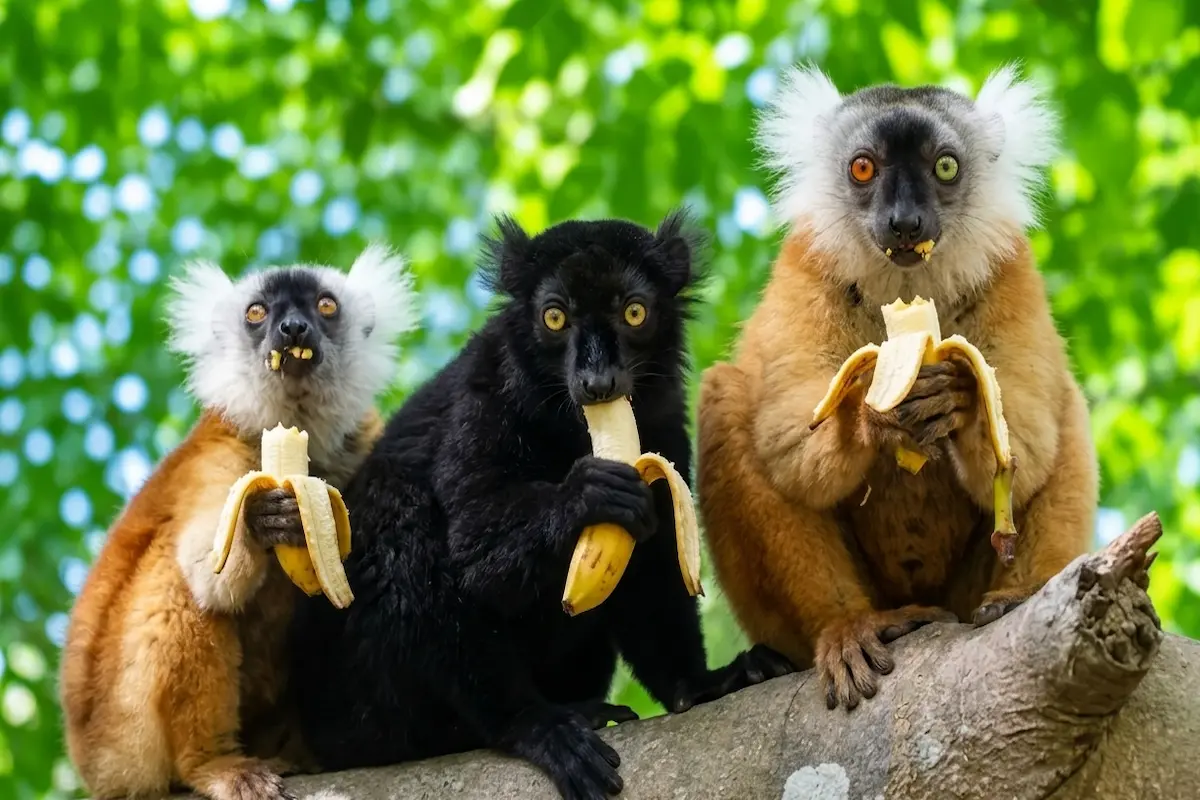
Just a short boat ride from Nosy Be, Nosy Komba rises from the sea like a green mountain draped in lush forest. This volcanic island is famous for one thing: the black lemurs. Unlike anywhere else in Madagascar, here you can observe these charismatic primates in their semi-wild habitat, watching them groom each other, leap between branches, and curiously approach visitors.
But Nosy Komba is more than just lemurs. The island is home to a thriving artisan community known for their intricately embroidered tablecloths and hand-carved wooden sculptures. After your wildlife encounter, wander through the village paths where artisans work beneath the shade of trees, and take home a piece of authentic Malagasy craftsmanship.
Nosy Tanikely: The Underwater Wonderland
If there is one place that defines the magic of Nosy Be's underwater world, it is Nosy Tanikely. This tiny island is a protected marine reserve, and the moment you slip beneath the surface you understand why. The water clarity is extraordinary — often exceeding 20 meters of visibility — revealing a kaleidoscope of coral formations teeming with tropical fish.
Sea turtles glide gracefully over the reef, schools of barracuda spiral in silver clouds, and if you are lucky, you might spot a harmless reef shark resting on the sandy bottom. Above the water, the island itself is a nesting ground for seabirds, and a short climb to the old lighthouse offers a panoramic view of the entire surrounding archipelago.
Nosy Iranja: The Iconic Twin Islands
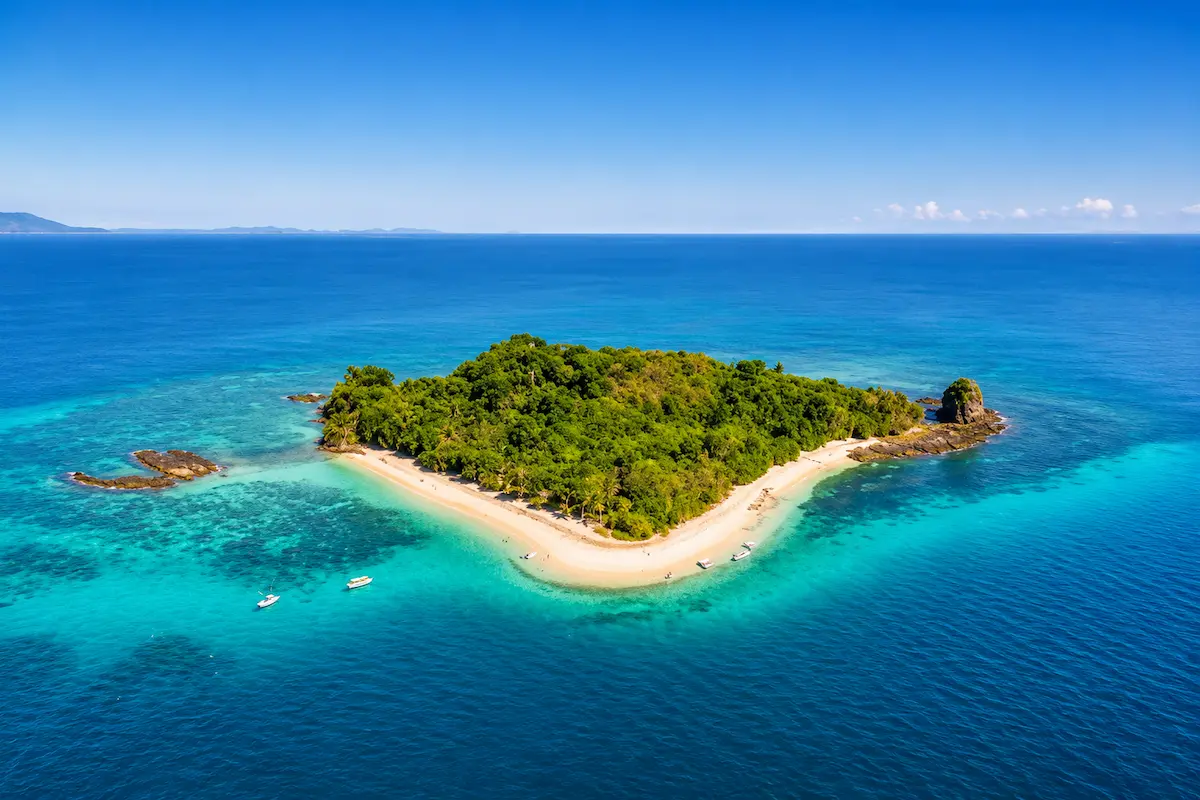
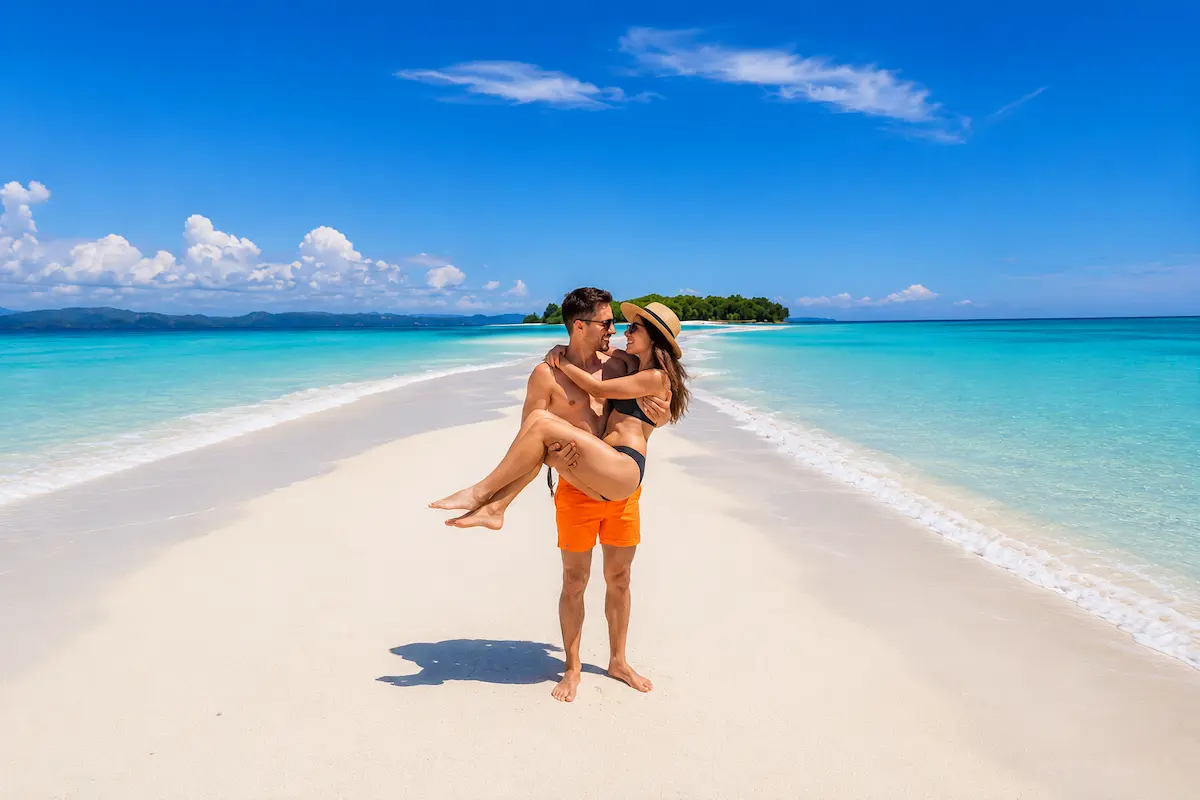
Nosy Iranja is the postcard image of Madagascar — two islands connected by a pristine sandbar that emerges at low tide like a ribbon of white silk laid across turquoise water. The larger island, Nosy Iranja Be, is crowned by a historic lighthouse built in 1909 that you can climb for a breathtaking 360-degree view of the Mozambique Channel.
The smaller island, Nosy Iranja Kely, is home to one of the most beautiful beaches you will ever see — a perfect crescent of powder-white sand shaded by leaning palm trees. Sea turtles nest on these shores, and a fresh seafood lunch on the beach makes this the quintessential Nosy Be day trip.
Nosy Sakatia: The Quiet Turtle Island
While other islands around Nosy Be draw crowds, Nosy Sakatia remains stubbornly peaceful. This small, oval-shaped island just off the west coast has no roads, no cars, and only a handful of villages where life moves at the pace of the tides. It is the place you come when you want to disconnect completely.
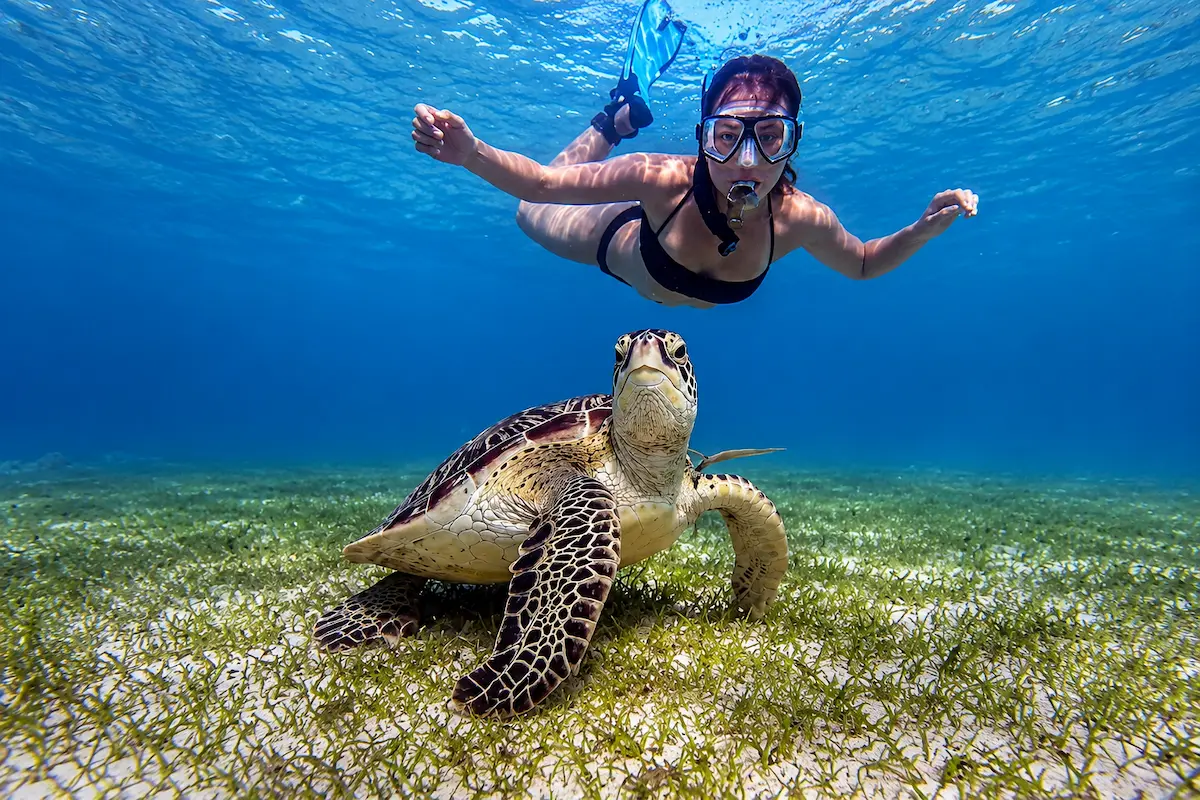
Sakatia is best known for its sea turtles. Local guides will take you to shallow bays where green turtles and hawksbill turtles graze on seagrass just meters from the shore — an experience that requires no diving skills at all. The island also offers wonderful snorkeling, traditional village visits, and the simplest pleasure of all: walking along a beach with absolutely no one else in sight.
Mont Passot: Where Nosy Be Reveals Its Secrets
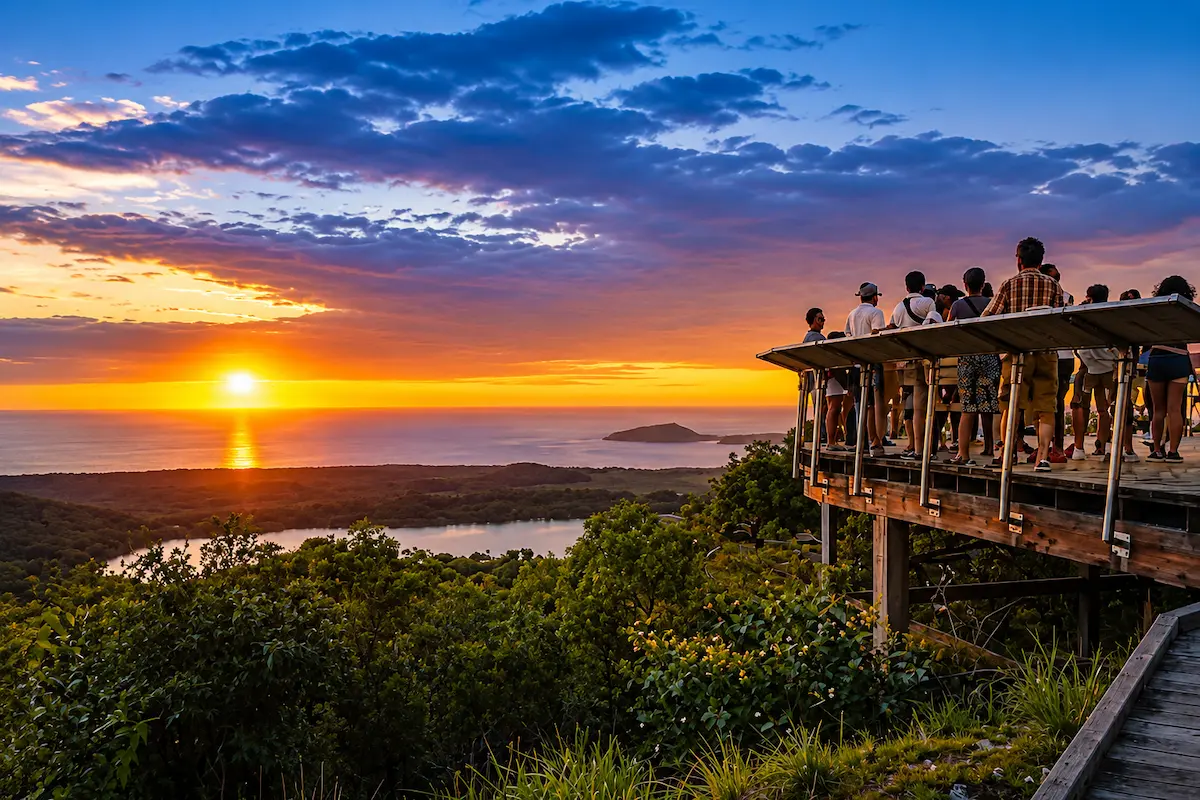
At 329 meters, Mont Passot is the highest point on Nosy Be, and the view from the top is nothing short of spectacular. On a clear day, you can see the entire island, the surrounding archipelago, the distant mainland, and even the silhouette of Nosy Komba and Nosy Tanikely dotting the blue expanse of the Mozambique Channel.
The summit holds more than just a view — it is home to several sacred crater lakes revered by the local population, each with its own legend and spiritual significance. Mont Passot is also the undisputed best spot on the island to watch the sunset, as the sky ignites in shades of orange, pink, and purple over the ocean.
Mahatsinjo: The Sacred Ficus Tree
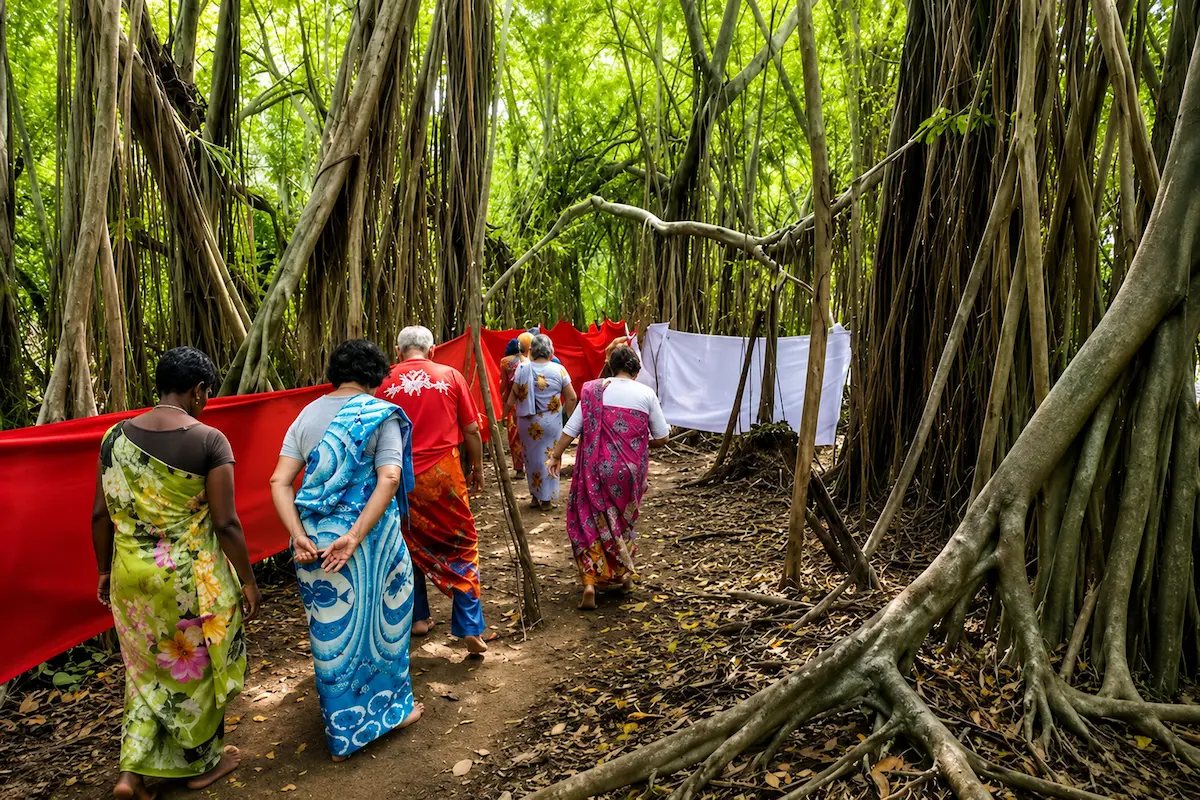
Hidden deep in the forest of Nosy Be stands a tree so immense it feels like it belongs to another world. The Mahatsinjo is a sacred ficus tree whose aerial roots cascade from its canopy like curtains of living wood, creating a natural cathedral that dwarfs anyone who stands beneath it. This tree is not just old — it is ancient, and its presence commands a reverence that you feel in your bones before anyone says a word.
For the local Malagasy people, the Mahatsinjo is a sacred site steeped in spiritual significance. It is believed to house ancestral spirits, and offerings are regularly placed at its base to honor them. Visitors are asked to observe local customs — remove your hat, speak softly, and follow your guide's instructions regarding any Fady that may apply. Standing inside this living monument is one of the most humbling experiences Nosy Be has to offer.
The Sacred Waterfall of Nosy Be
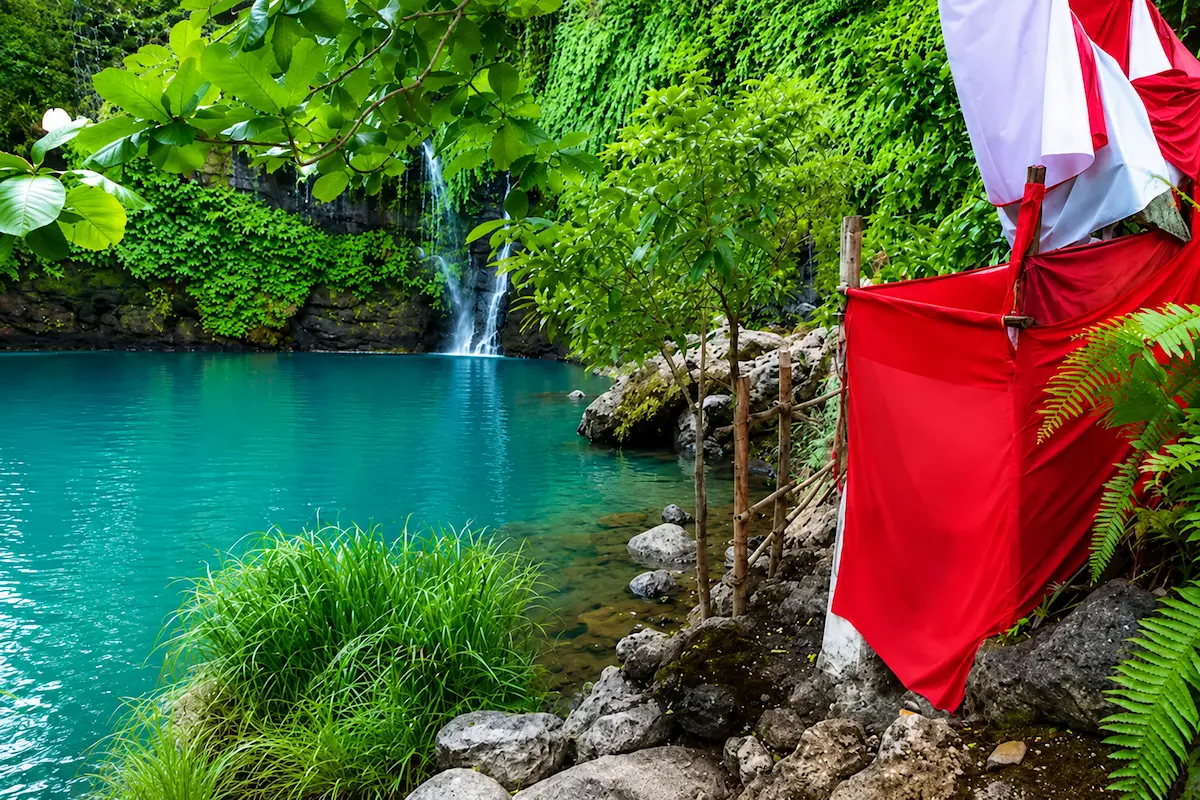
Reaching the Sacred Waterfall is an adventure in itself. The trail winds through dense tropical forest, crossing streams and climbing over mossy rocks, with the sound of rushing water growing louder with every step. When the forest finally opens up, you are rewarded with a powerful cascade of water tumbling into a crystal-clear natural pool surrounded by towering ferns and hardwood trees.
Like the Mahatsinjo tree, this waterfall is considered a sacred site by the local community. It has long been a place of spiritual cleansing and healing rituals, and the cool, fresh water provides a perfectly refreshing swim after the hike. Your guide will share the legends attached to this place — stories passed down through generations that give the waterfall a significance far beyond its natural beauty.
Lemuria Land: A Private Wildlife Sanctuary
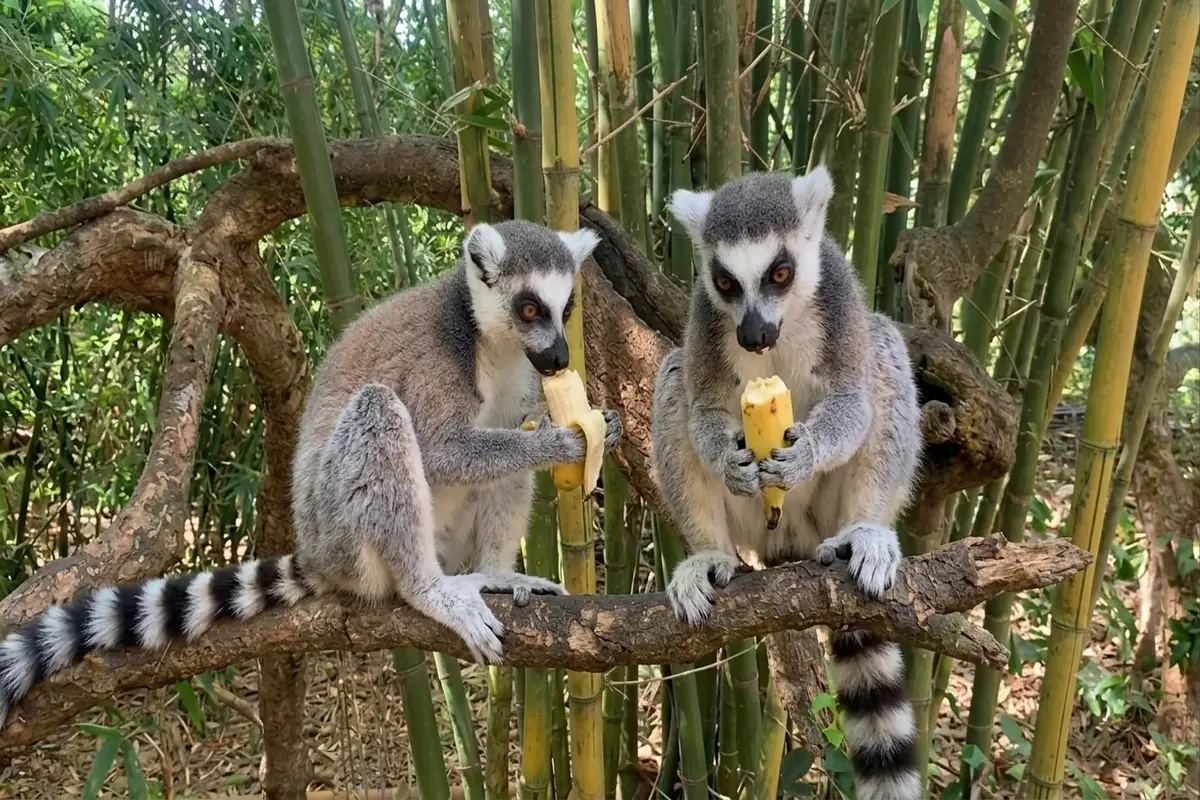
Tucked into the hills of Nosy Be, Lemuria Land is a private park that offers something no other site on the island can — an up-close encounter with Madagascar's most iconic wildlife, all in one place. This beautifully maintained sanctuary is home to free-roaming ring-tailed lemurs, black lemurs, and brown lemurs that have grown accustomed to human presence, allowing you to observe their playful social behaviors at remarkably close range.
Beyond the lemurs, Lemuria Land shelters giant Aldabra tortoises that lumber across the grassy grounds, Nile crocodiles basking along the water's edge, and a remarkable collection of chameleons and other reptiles. The park is set within lush botanical gardens filled with endemic plants, making every step a discovery. For families with children or travelers who want a guaranteed wildlife experience without a long trek into the forest, Lemuria Land is the perfect choice.